$20.00
1
Your cart is empty
Subtotal
We will hold your cart for 15:00.
Buy more, save more
Coupon discount
Shipping
Add 2 more items to unlock your free mystery gift.
Complimentary item.
Total
$20.00
We will hold your cart for 15:00.
You've saved up for that new mirrorless body or that sharp prime lens. But have you thought about how you're going to carry it safely? A camera bag is more than just a stylish accessory—it's the difference between arriving at a shoot with pristine gear or a scratched lens and a broken heart. Yet, so many photographers buy based on looks alone, only to find the bag too small, the padding too thin, or the access too slow when the moment strikes.
As of August 2026, the camera bag market is more crowded and confusing than ever. With brands like Case Logic, Chrome Industries, and LeSportsac all offering something different, how do you know which one is right for you? That's exactly what you're about to find out. In this guide, we're going to walk you through a pre-purchase checklist that covers everything you need to consider before you click 'buy.' By the end, you'll have the confidence to choose a camera bag that actually fits your gear, your shooting style, and your day-to-day life.
Before you even start looking at bags, ask yourself: How will I actually use this bag? Your answer will shape every other decision. Are you a commuter who needs to stash a camera alongside a laptop and lunch? A street photographer who wants quick access while walking? A weekend hiker who needs to carry a camera, extra lenses, and a water bottle?
Here's a breakdown of common scenarios and what they mean for your bag:
This is the most critical step. A camera bag that doesn't fit your gear is useless. But it's not just about the overall size—it's about the inner dimensions, the padding thickness, and how the dividers are arranged.
Grab a measuring tape (or just look up your camera's specifications online). Note the width, height, and depth of your camera body, including the lens you plan to leave attached. Also, measure each of your lenses individually, as they all have different sizes. Remember to account for lens hoods if you'll keep them on.
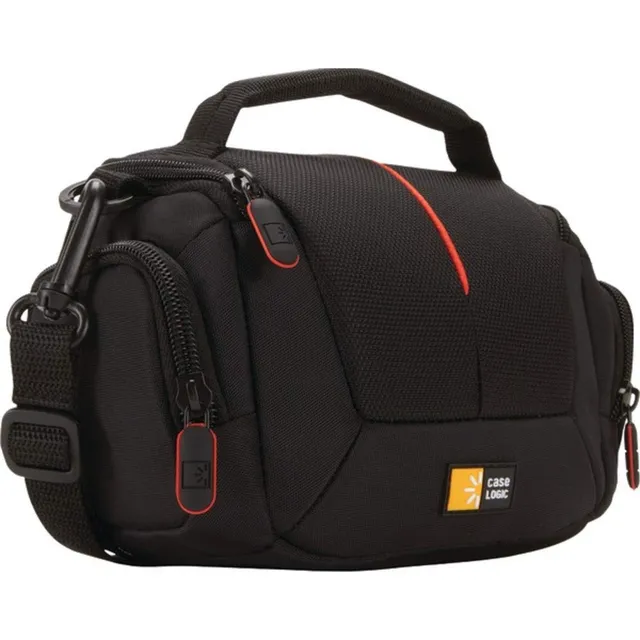
The bag's product page should list interior dimensions. Pay attention to whether the dimensions are for the main compartment only or if they include the lid. A common mistake is subtracting the padding thickness, which can eat up space, especially in soft bags. For example, the Case Logic DCB-304 Compact System/Hybrid Camera Case is designed for compact system cameras. Its dimensions are tailored for a body with a kit lens, so if you plan to carry a heavier pro-level lens, you'll need to double-check fit.
If possible, visit a store with your actual gear and try the bag. But if you buy online, use the 'what fits inside' queries that other users have asked. For instance, many people wonder if a Sony a6000 fits in the DCB-304. The answer is yes, but with a small lens like the 16-50mm power zoom. A bulkier prime might be a tight squeeze.
Also, consider the divide and conquer approach: using an insert inside a non-camera bag. The LeSportsac Deluxe Everyday Bag is a lightweight tote that could easily house a padded insert, giving you a camera bag that doesn't look like one.
When it comes to protecting your gear, padding quality matters as much as quantity. High-density foam that's rigid enough to absorb impact is better than thick, squishy foam that bottoms out on a hard floor. Look for a term called 'drop protection.' The best camera bags use a mix of foam densities, often with a stiff support sheet over a softer cushioning layer.
For compact setups, cases like the Case Logic DCB-304 use a molded EVA shell that's rigid and impact-absorbent. This is a great choice if you're throwing the case into a bigger bag. For larger kits, a backpack with a dedicated padded compartment is smarter, as it keeps gear suspended away from the sides and bottom.
Dividers aren't just for organizing—they also form a protective cage around your gear. When evaluating a bag, consider whether the dividers are adjustable, whether they hook or stick in place, and whether they're padded on both sides. A bag with no dividers (like many simple sleeves) offers zero protection against gear banging together.
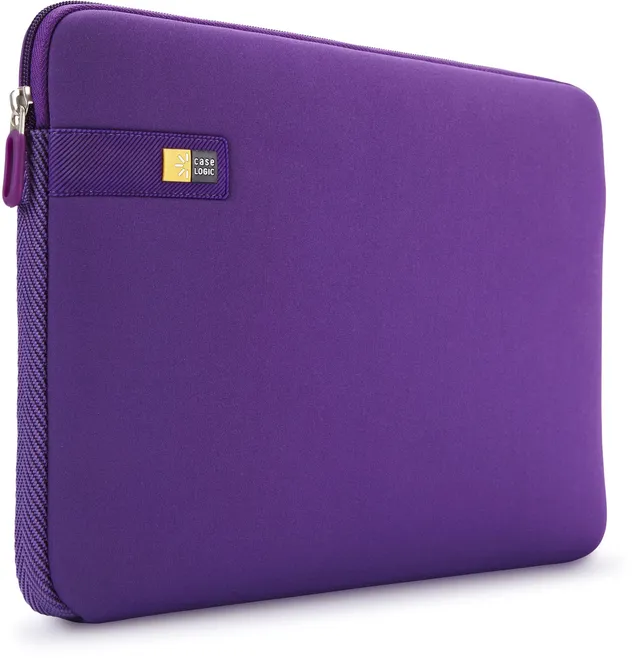
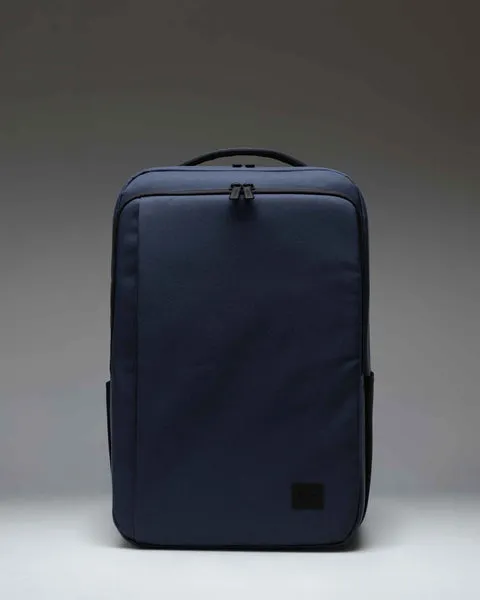
For those who want a one-bag solution that also protects a laptop, the Case Logic LAPS-116PU Laptop Sleeve is an example of a sleeve that only protects a laptop, not a camera. You'd need a camera insert to use it as a camera sleeve. On the other hand, the Herschel Supply Kaslo Backpack Tech has a dedicated laptop compartment and a main area that could accommodate a camera cube, making it a versatile commuter option.
Photographers live by the 'decisive moment.' If your camera is buried under three layers of zippers and flaps, you'll miss the shot. Consider how you need to access your gear:
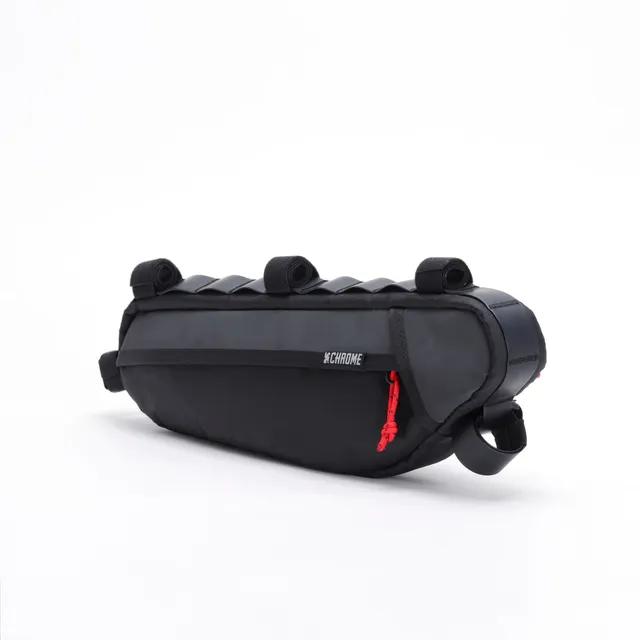
For street and travel, a sling or crossbody style like the LeSportsac Pouch Crossbody offers hands-free carry, but it's more of a personal item than a camera bag. However, you could easily use it to carry a compact camera sans lens, as long as you add a soft wrap. If you want a dedicated camera sling, the Chrome Industries Holman Frame Bag is designed for bikes, but its quick access could also work for a camera if you're cycling. But that's a niche use case.
No camera bag is truly waterproof unless it has a waterproof rating and sealed zippers. Most are water-resistant, meaning they can handle light rain but will eventually soak through. Be honest about your typical conditions.
Look for materials like ripstop nylon that have a DWR coating, and check if the zippers are water-repellent (like those on some Chrome bags). If you shoot in heavy rain, consider a bag that comes with a rain cover or carries a dedicated waterproof insert like a dry bag. The brand LeSportsac is famous for its ripstop nylon, but it's not truly waterproof—it's water-resistant. The Holman Frame Bag from Chrome, on the other hand, uses welded seams and waterproof fabric, perfect for outdoor cycling.
Don't be afraid to get a bag that's not camera-specific and instead use a durable waterproof insert. The Herschel Supply Heritage Hardshell Luggage is a hard shell that would protect a camera in checked luggage, but it's not suitable for daily carry. For everyday carry, the Herschel Retreat Backpack offers a simple, weather-resistant design that could easily hold a camera cube.
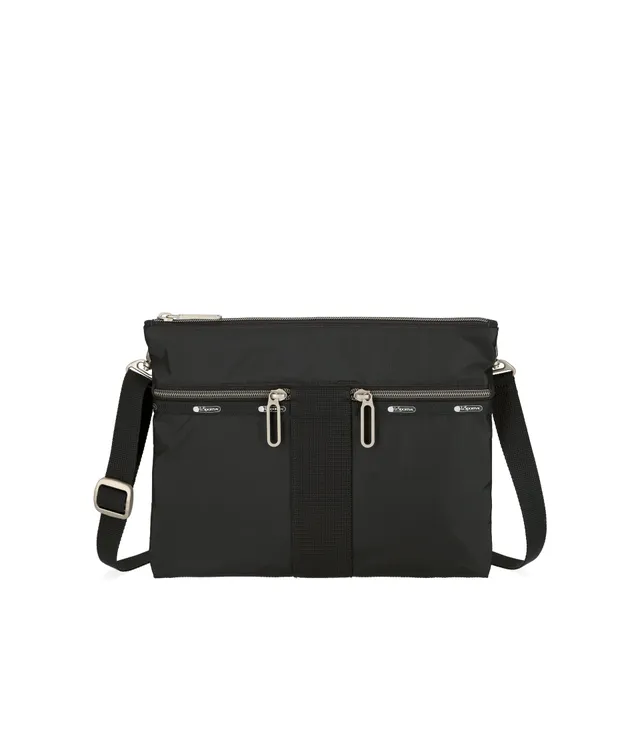
A camera bag is only as good as its internal organization. You need a place for memory cards, batteries, filters, and maybe a small cleaning cloth. Look for bags with pockets, key clips, and card slots. A bag with a dedicated tablet or laptop sleeve is a bonus for travel.
For a compact, everyday setup, the Case Logic DCB-304 has a simple Velcro divider and a small front pocket for accessories. If you need more organization, consider a larger camera backpack. The Herschel Kaslo Backpack Tech is not a camera bag, but its multiple compartments and padded laptop sleeve make it a great host for a camera insert. It even has a hidden airtag pocket for those who worry about theft.
For those who want a bag that's already organized for cameras, consider the Case Logic EVW-24 EVA Molded Case—it's for CDs/DVDs, but you could easily repurpose it for small accessories or a compact camera. That's a hack, though, and not a recommended primary bag.
Try on the bag with weight in it. A bag that feels comfortable empty can become a pain after an hour of walking. Pay attention to:
For backpacks, the Herschel Retreat Backpack is a classic that's known for comfort, but it lacks a chest strap. The Kaslo Tech has a more adjustable harness and is designed to carry tech gear comfortably. For messenger bags, the DCB-304 is more of a shoulder case, so consider a separate shoulder pad if you're carrying it all day.
If you're planning to carry your camera bag onto a plane, you need to check the airline's personal item and carry-on dimensions. A bag like the LeSportsac Deluxe Everyday Bag is a tote that can fit under the seat, but it's not a protective camera bag alone. You'd need to use a camera insert.
Also consider the bag's empty weight. Every ounce matters when you're hauling gear all day. The LeSportsac MSGM Medium Cosmetic is a cosmetic case that could double as a small camera pouch—lightweight but not padded enough for serious protection.
For a dedicated camera case that's compact and light, the DCB-304 is a good choice. It's also available in a hard-shell version that offers better protection.
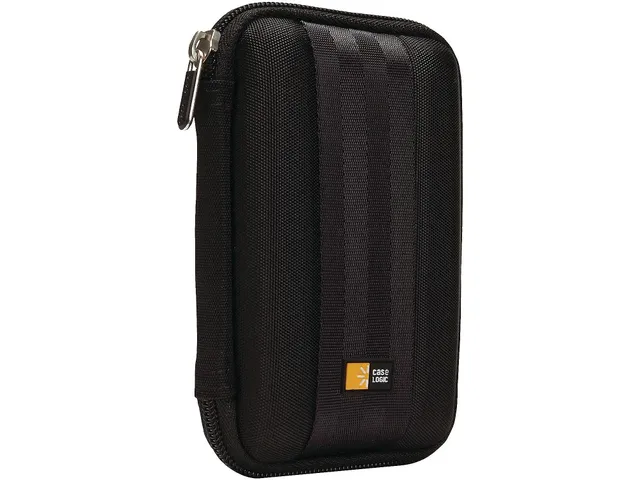
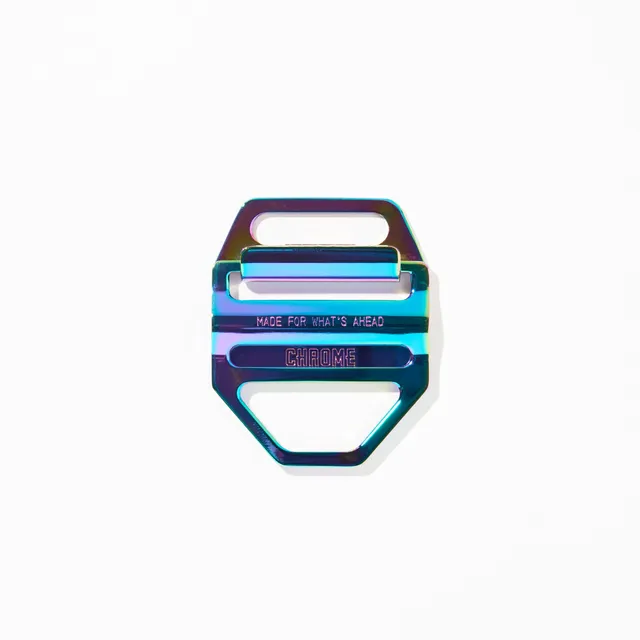
When you invest in a camera bag, you're also investing in the brand's support. A solid warranty can save you if a zipper fails or a strap tears. Let's look at the three brands we're featuring:
Check the warranty terms for your specific bag. Some warranties only cover the original owner and require a receipt. For instance, Case Logic warranty claim typically requires proof of purchase. Keep your receipts and register your product if possible.
Also, consider the brand's sustainability and ethics. If that matters to you, look for brands that use recycled materials or have transparent supply chains. LeSportsac has launched eco-conscious lines, while Chrome uses some recycled materials.
Here's your practical checklist to run through for any camera bag you're considering:
If you've checked all these boxes, you can make your purchase with confidence. If you're still unsure, here are some specific recommendations based on different needs:
Once you've bought the right camera bag, keep it in top shape. Here are a few tips:
By following this pre-purchase checklist, you're now equipped to choose a camera bag that will protect your gear for years to come. Happy shooting!